Haringey council rules for bulky waste and skip permits
Posted on 02/08/2026
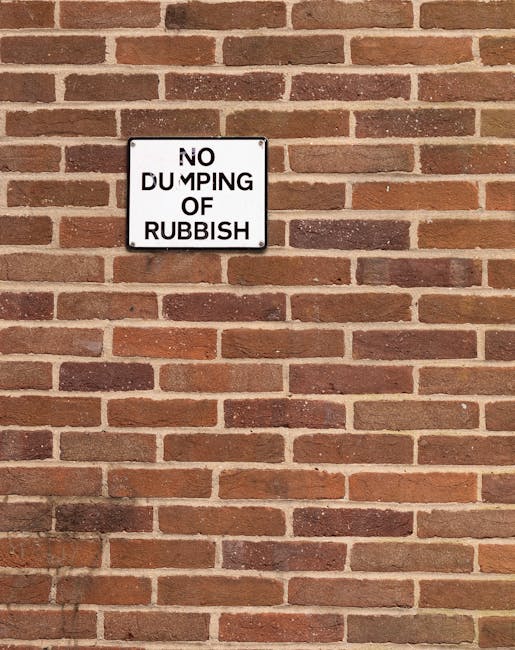
If you are clearing a flat, moving house, tackling a loft full of old bits, or planning building work, the rules around bulky waste and skip permits in Haringey can make the difference between a smooth job and a stressful one. The awkward part is that the two jobs often get mixed up. Bulky waste is usually about large household items that need collection or removal. Skip permits are about placing a skip on a public road. Easy to confuse, easy to get wrong.
This guide explains Haringey council rules for bulky waste and skip permits in plain English, so you can choose the right option, avoid avoidable delays, and stay on the safe side of local expectations. We will also cover practical steps, common mistakes, and the sort of real-world judgement that saves time when the van is already outside and the clock is ticking.
Why Haringey council rules for bulky waste and skip permits Matters
These rules matter because waste removal is not just a tidying task. It affects pavement access, traffic flow, neighbour relations, safety, and whether your rubbish ends up collected legally. In Haringey, as in other London boroughs, the main issue is usually location: where the waste sits, who is responsible for it, and whether the collection method matches the type and amount of rubbish you have.
Bulky waste and skips serve very different needs. Bulky waste collections are best when you have a handful of large items like wardrobes, mattresses, sofas, or broken appliances. A skip is usually better for mixed waste from a refurbishment, a major declutter, or a clearance job that creates a steady stream of debris. If you choose the wrong route, you can pay more, wait longer, or discover you needed permission after all. Not ideal, and frankly a bit of a headache.
There is also a practical local angle. On streets with tighter parking, narrow access, or heavy daytime traffic, the wrong waste setup can block neighbours or cause collection delays. If access is awkward, it is worth reading our note on access problems for Haringey rubbish removal before you commit to a plan.
Expert summary: The safest way to approach waste in Haringey is to decide first whether you need a bulky item collection or a skip, then check whether the waste will sit on private land or the public highway. That one decision shapes almost everything else.
How Haringey council rules for bulky waste and skip permits Works
At a practical level, the council rules are about control and responsibility. Bulky waste collection and skip permits are not interchangeable, even if both solve the same broad problem: getting rid of stuff you do not want.
Bulky waste
Bulky waste usually refers to large items that are too big for normal household bins. Think furniture, white goods, beds, broken shelving, or other oversized household objects. The council route, where available, normally involves booking a collection for eligible items and presenting them in the right place at the right time. The exact acceptable items, booking method, and collection conditions can vary, so it is always sensible to check the current local process rather than relying on old advice from a neighbour.
In real life, bulky waste is often the simplest answer for one-off items. You do not need to think about skip size, pavement licences, or whether the driver can lift the skip over a parked car. Handy, that.
Skip permits
A skip permit is generally needed when a skip is placed on a public road, footway, or other council-controlled space. If the skip sits entirely on private property, such as a driveway or forecourt, a permit may not be needed. The important detail is not what the skip is made of, but where it is sitting.
Permits usually involve an application, an approval process, and conditions about placement, visibility, lighting, and safety. Timeframes can vary. If you leave it too late, you can end up with a skip delivery booked before the permit is in place, which is exactly the kind of small admin issue that turns into a big delay.
Who is responsible?
Responsibility can sit with the person arranging the skip, the skip company, or both in practical terms. It is wise not to assume. Ask who is handling the permit, what is included in the quote, and whether the skip can be delivered only once approval has been confirmed. The same logic applies to bulky waste bookings: check who is responsible for preparing the items and where they need to be left.
Key Benefits and Practical Advantages
Once you understand the rules, the benefits are pretty clear. You save time, avoid fines or removal problems, and choose a disposal method that suits the job rather than guessing your way through it.
- Cleaner scheduling: you can plan around collection times instead of discovering the waste needs to go out earlier than expected.
- Fewer access issues: the right option reduces the chance of blocked driveways, neighbour complaints, or a skip that simply cannot fit.
- Better cost control: a bulky collection may be cheaper for a small load, while a skip might be better value for larger clearance work.
- Improved safety: formal waste handling lowers the chance of trip hazards, loose debris, or unsafe roadside placement.
- Less admin stress: if permit needs are identified early, you avoid last-minute scrambling.
For landlords, homeowners, and small businesses alike, the biggest advantage is predictability. You know what is being removed, when it is being removed, and what permissions are needed. That sounds basic, but it saves a surprising amount of grief.
If you are comparing disposal methods for mixed waste, it can help to look at the wider service picture too. Our services overview gives a broader sense of how clearance jobs are typically matched to different situations.
Who This Is For and When It Makes Sense
This topic matters to a lot of people, and not just after a big renovation. In our experience, the most common situations are small, ordinary, and a bit messy. A broken sofa. A loft clear-out. A move between flats. A kitchen replacement. A shop refit. None of it dramatic, all of it inconvenient if you pick the wrong waste method.
- Homeowners clearing old furniture or garden clutter
- Renters moving out and needing to remove bulky items quickly
- Landlords dealing with tenant leave-behind items
- Builders and renovators generating mixed construction debris
- Shop owners and offices replacing fixtures, fittings, or stockroom waste
A bulky waste collection makes sense when the items are few, large, and fairly straightforward. A skip makes more sense when waste is ongoing, mixed, or too awkward to sort into single-item collections. If you have no driveway and the road outside is tight, a skip permit becomes part of the decision from the start, not an afterthought.
For larger clearances, it may help to compare this with related services such as house clearance in Haringey or builders waste clearance in Haringey, depending on what you are actually clearing out.
Step-by-Step Guidance
- Identify the waste type. Separate bulky household items from renovation waste, green waste, and ordinary rubbish. A worn mattress is not the same as broken plasterboard.
- Work out where the waste will sit. If it stays on private property, the rules are simpler. If it must go on the road, expect a permit discussion.
- Measure the job honestly. A quick garage clear-out can look small until you start moving things. Be realistic about volume.
- Check access. Look at width, parking, low branches, corners, and whether the driver can safely place a skip or remove bulky items. This sounds obvious, but people forget it all the time.
- Choose the method. Bulky collection, skip hire, or a general clearance service. Pick the one that fits the waste, not the one that sounds easiest in the moment.
- Confirm permit responsibility. If a skip goes on the highway, ask who is arranging the permit and when it will be approved.
- Prepare the waste properly. Break down where possible, keep prohibited items separate, and make items accessible for collection.
- Leave buffer time. Do not plan a removal for the same hour as the electrician arrives, the tenants move out, and the van needs parking. One thing at a time if you can.
A small but useful tip: if you are clearing a property with stairs, narrow halls, or no lift, the method you choose matters even more. We cover this kind of awkward access in more detail in what to know about access problems for Haringey rubbish removal.
Expert Tips for Better Results
Here is where a little experience saves a lot of hassle.
- Book earlier than you think. Permit and collection lead times can be the part that delays everything else.
- Take a quick photo audit. A few photos of the waste and access route help you avoid misjudging size, weight, or lifting issues.
- Separate reusable items. If something can be donated, resold, or passed on, remove it from the waste pile first.
- Watch the weather. A wet roadside skip or a rainy day collection is more awkward than it sounds. Boxes sag, paper gets soggy, and everyone moves slower.
- Ask about restricted items. Not every collection accepts every waste type. It is much easier to sort this before the van arrives.
- Plan for parking reality. In Haringey, good intentions do not always create a free bay. Make sure the truck or skip lorry can actually get close enough.
If you are trying to reduce cost without creating more work, it can help to read our article on cheap skip alternatives for house clearance in Haringey. It is not about cutting corners. It is about choosing the right method for the job.
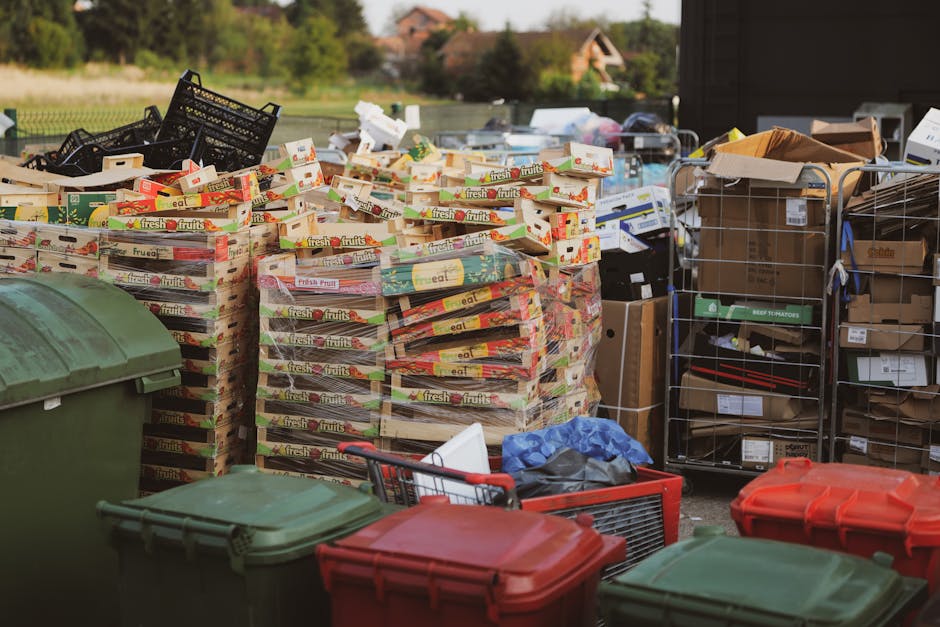
Common Mistakes to Avoid
The most common mistake is assuming all large waste is handled the same way. It is not. A bulky waste collection, a skip, and a full clearance service each have different rules, costs, and access needs.
- Leaving permit checks too late. If the skip is due on Monday and the permit process is only started on Friday, you are setting yourself up for a delay.
- Overfilling a skip. This can create safety issues and may lead to refusal of collection.
- Mixing prohibited items with general waste. Batteries, liquids, chemicals, and certain appliances may need separate handling.
- Ignoring road width and parking constraints. Tight streets are common in London. A quick look outside the window is not always enough.
- Assuming bulky waste covers everything. Sometimes it does not, especially for mixed builder debris or large volumes.
- Not reading the quote carefully. Hidden extras are often about access, labour, or permit handling rather than the headline price.
That last one deserves a proper mention. If you want to avoid awkward surprises, our guide on avoiding hidden rubbish removal charges in Haringey is worth a look.
Tools, Resources and Recommendations
You do not need fancy tools, but a bit of preparation helps. Keep it simple.
- Measuring tape: useful for checking furniture size, access width, and skip placement space.
- Phone camera: take photos of the waste, entrance, and street layout.
- Marker tape or notes: helpful when separating items to keep, donate, recycle, or remove.
- Basic gloves and sturdy shoes: especially for sharp edges, dusty lofts, or old sheds.
- A quick written inventory: it sounds old-fashioned, but a list helps when you are comparing clearance options.
In some cases, it is better to use a specialist service instead of trying to build your own solution. For example, furniture disposal in Haringey can be more straightforward than a general skip if the main issue is a sofa, bed, or wardrobe. Likewise, rubbish collection in Haringey may suit smaller jobs where speed matters more than volume.
If the project is commercial or includes an office move, a tailored option like office clearance in Haringey is often a cleaner fit than trying to force everything into a skip-based plan.
Law, Compliance, Standards, or Best Practice
Waste removal in the UK sits within a framework of duty, safety, and responsible handling. You do not need to memorise the legal detail to stay compliant, but you do need to act carefully. In simple terms, the person producing waste has a responsibility to make sure it is removed properly and does not become a nuisance, hazard, or illegal deposit.
For bulky waste, best practice is to present items in the right condition, at the right time, and in the agreed place. Do not block pavements or neighbour access. Do not leave sharp or dangerous materials exposed. For skips, the important compliance point is placement. If the skip is on a public road or footway, a permit is usually the relevant issue, along with safe placement and visibility requirements.
There is also a practical safety angle. A poorly placed skip can affect pedestrians, cyclists, delivery drivers, and even emergency access if things are really tight. So the rule is not just bureaucratic. It is basic common sense, dressed up in paperwork.
On the service side, look for clear terms, sensible pricing, and evidence that the company takes safety seriously. If you want to understand how that should look, our pages on insurance and safety and payment and security explain the kind of standards customers should expect.
Options, Methods, or Comparison Table
Here is a practical comparison to help you decide.
| Option | Best for | Advantages | Watch-outs |
|---|---|---|---|
| Bulky waste collection | One-off large household items | Simple, tidy, often ideal for a small number of items | May not suit mixed or very heavy loads |
| Skip hire with permit | Refurbishments, ongoing clear-outs, mixed waste | High capacity, flexible for larger jobs | Permit may be needed if placed on public land |
| Full rubbish clearance service | Jobs where you want labour included | Less lifting for you, quicker on-the-day handling | Can cost more than self-loading options |
There is no universal winner. A one-bedroom flat clear-out is rarely the same as a builder's strip-out, even if both start with the same pile of "stuff in the way".
Case Study or Real-World Example
Imagine a landlord in Wood Green preparing a flat for new tenants. There is a sofa, a mattress, a small wardrobe, and a pile of bits from the loft. At first glance, it looks like a classic bulky waste job. Then the loft pile turns out to include broken shelving, old paint tins, and a few bags of mixed debris from a previous repair.
Now the decision changes. Bulky collection still works for the sofa and mattress, but the mixed materials may need a different route. If the landlord tries to jam everything into one plan without checking the details, the collection may be refused or the process becomes messy. Worse, if the waste needs to go on the road and a permit has not been arranged, the delay hits the moving schedule. Not the end of the world, but annoying, and avoidable.
In that sort of situation, a quick decision tree helps: separate the clean bulky items, assess the mixed waste, check access, and then choose between a skip, a broader clearance service, or a hybrid approach. If the property is being fully stripped out, a loft clearance in Haringey or garage clearance in Haringey service may be far more practical than trying to manage it piece by piece.
Practical Checklist
- Have I identified whether this is bulky waste, mixed rubbish, or builder debris?
- Do I know if the waste will sit on private land or on the road?
- Have I checked access, parking, and turning space outside the property?
- Do I know who is responsible for the skip permit, if one is needed?
- Have I separated items that can be reused, recycled, or donated?
- Have I checked for restricted waste items such as batteries, liquids, or hazardous materials?
- Am I choosing the service that matches the real volume, not the optimistic version in my head?
- Have I read the quote properly and looked for access or labour extras?
- Is the collection date realistic given my move, renovation, or handover schedule?
- Do I have a backup plan if parking is tight or the street is busier than expected?
A quick checklist like this can save a silly amount of time. It is not glamorous, but it works.
Get a free quote today and see how much you can save.

Conclusion
Haringey council rules for bulky waste and skip permits are not there to make life awkward. They exist to keep streets safe, collections organised, and waste handled properly. Once you understand the difference between bulky waste collections and skip permits, the rest becomes much easier to manage.
The real trick is to decide early, check access properly, and match the waste method to the job. That is usually where people save the most time, money, and stress. And if you are still unsure, that is perfectly normal. Waste jobs look simple until you actually start moving things around the hallway.
For a better local fit, you can also explore our pricing and quotes page or learn more about the team on our about us page. If you prefer to talk it through, the quickest next step is usually the simplest one.
In the end, the best waste plan is the one that clears the clutter without creating a new problem. Nice and calm. That is the goal.


 Tipper Van - Rubbish Removal and Garage Clearance Prices in Haringey, N4
 Luton Van - Rubbish Removal and Garage Clearance Prices in Haringey, N4