What to know about access problems for Haringey rubbish removal
Posted on 22/06/2026
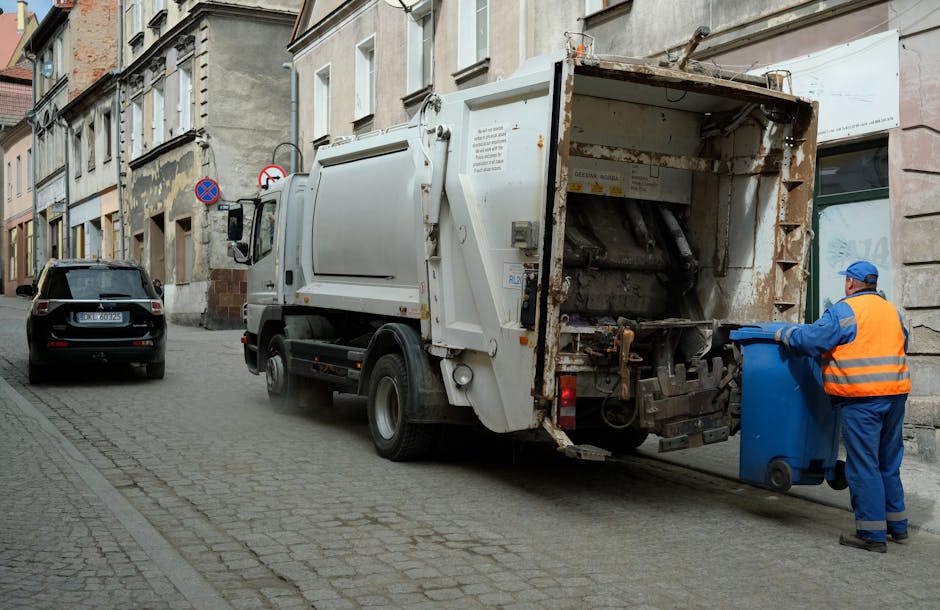
Access issues can turn a straightforward clearance into a slow, awkward job very quickly. If you have ever tried to move a sofa through a tight hallway, or watched a van circle for parking on a busy Haringey street, you already know the problem. What to know about access problems for Haringey rubbish removal is not just a niche detail; it is often the difference between a smooth same-day collection and a stressful delay, extra labour, or a failed visit.
This guide explains the real-world access problems people run into, why they matter, how a professional team typically handles them, and what you can do before the crew arrives. It is written for homeowners, landlords, tenants, shop managers, office teams, and anyone who wants the job done properly the first time. A little planning goes a long way. Honestly, it saves a lot of faff.
Why access problems matter
Access is not a small operational detail. It affects how quickly rubbish can be removed, how many workers are needed, whether protective measures are required, and even whether the waste can be taken away at all. In Haringey, that matters because the borough has a mix of housing types, from Victorian terraces and mansion blocks to flats above shops, converted houses, estates, basement properties, and commercial premises with awkward rear entrances.
When access is limited, crews may need to carry items farther, take them down stairs, use extra parking arrangements, or split the job into more than one movement. That can increase time on site, make the collection more physically demanding, and create more chances for damage if the route is narrow or cluttered. If you have ever tried to rotate a bulky wardrobe at the top of a stairwell, you know the sort of moment that makes everyone go quiet for a second.
There is also a cost angle. Access problems can change the amount of labour involved, which is why they should be discussed early and honestly. A clear description upfront is usually better than a surprise on the day. For broader service context, it can help to review the services overview and the page on pricing and quotes before booking.
Just as importantly, access issues influence safety. Tight corridors, low ceilings, steps, uneven paths, poor lighting, or unstable surfaces can all increase the chance of slips, trips, knocks, or strain injuries. That is not drama for drama's sake. It is simply the reality of moving bulky waste through real buildings, on real streets, with real weather.
Key takeaway: the earlier you flag access restrictions, the more likely the collection will be quick, safe, and priced accurately.
How access issues affect the removal process
Most rubbish removals follow a simple pattern: assess the load, move the items safely, load the vehicle, and clear up after the job. Access problems can complicate each stage. A van may not be able to park close to the property. A building may have no lift. A rear garden may only be reachable through the house. A loading bay may be restricted at certain times. Each of these issues changes the plan.
In practice, a removal team usually wants to know a few basic things before arrival:
- How far the load needs to be carried
- Whether there are stairs, lifts, or steep paths
- Whether parking is available nearby
- Whether the rubbish is inside, outside, or split across both
- Whether anything is fragile, heavy, sharp, wet, or contaminated
Once those details are clear, the job can be matched to the right vehicle size, crew size, and timing. For example, a ground-floor flat with rear access may be far easier than a top-floor conversion with a narrow staircase, even if the pile of waste looks similar in photos. The words "it should be fine" are often famous last words here.
There are also different kinds of access problems. Some are physical, some are logistical, and some are people-related. A building manager may need advance notice. A concierge may control entry. A shared courtyard may be locked. In some cases, residents may need to keep the route clear for everyone else in the building. For bulky items such as old wardrobes or sofas, you may also want to look at furniture disposal in Haringey if that is the main type of waste involved.
If the job includes building or renovation waste, access matters even more. Heavy bags of rubble, broken tiles, timber offcuts, and mixed builders' waste are much harder to move through awkward spaces. In those cases, builders waste clearance in Haringey is often the better-fit service because the handling requirements are different.
Key benefits and practical advantages
Planning access properly gives you more than a tidy collection. It usually brings a few real-world advantages that people only appreciate after the job is done.
1. Fewer delays on the day
When the crew knows where they can park, which entrance to use, and how far they will need to carry items, the job tends to move faster. That matters if you are working around tenants, tradespeople, a shop opening time, or a school run. In a busy place like Haringey, time can disappear quickly if nobody has thought through the route from pavement to vehicle.
2. Better safety and less property damage
Narrow staircases, painted walls, mirrors, bannisters, and shared hallways are all vulnerable. A clear access plan reduces the chance of scuffs and knocks. It also helps the crew protect themselves, which is part of why responsible operators take access details seriously in the first place. If safety is on your mind, it is worth reading more about insurance and safety.
3. More accurate quotes
Access affects labour. Labour affects price. That is the simple version. A quick phone call or a few photos can help turn a rough estimate into something closer to the final cost. If you prefer to understand that side better, the guide on avoiding hidden rubbish removal charges in Haringey is a sensible companion read.
4. Less stress for everyone
When access is poor and nobody has mentioned it, the day can feel rushed and tense. When it is handled properly, the crew arrives prepared and you can get on with your day. Simple, but important.
5. Better handling of unusual properties
Basement flats, top-floor conversions, flats above shops, and compact terraces often need a slightly different approach from standard driveway jobs. Access planning helps the service fit the property rather than forcing the property to fit the service.
Who this is for and when it makes sense
Access planning is relevant to almost everyone arranging rubbish removal, but some readers need it more than others.
- Homeowners with lofts, basements, narrow side passages, or shared entrances
- Renters leaving a flat and trying to clear bulky items quickly
- Landlords and letting agents dealing with end-of-tenancy clearances
- Estate managers coordinating collections in communal blocks
- Shop owners with rear access, loading restrictions, or limited parking
- Offices removing desks, chairs, filing cabinets, or IT waste
- Builders and tradespeople clearing rubble or packaging from tight sites
It also makes sense if you are comparing services. Sometimes the access challenge is what separates a straightforward rubbish collection from a more suitable house clearance or office clearance. If your job includes whole rooms, loft contents, or mixed domestic waste, a dedicated house clearance service may be easier to organise than trying to squeeze everything into a smaller booking.
And if you are managing a commercial site, you may also want to consider office clearance in Haringey where access, timing, and building rules often matter just as much as the waste itself.
Step-by-step guidance
If you want to avoid access headaches, this is the simplest way to handle it.
Step 1: Walk the route before booking
Do a quick walkthrough from the rubbish to the street. Look for stairs, tight turns, low ceilings, locked gates, heavy doors, and anything that might slow movement. If you have to twist sideways to get past the radiator, that is a clue.
Step 2: Measure the awkward bits
You do not need to measure the whole property. Just note the pinch points. Door widths, stair turns, lift size, and distance from the nearest parking spot are often enough. If you are dealing with a sofa or wardrobe, rough dimensions help a lot.
Step 3: Take clear photos
Photos are genuinely useful. One picture of the waste, one of the route, and one of the parking situation can save a long back-and-forth. Try to include the surrounding space so the team can judge the angle, not just the item.
Step 4: Mention any restrictions
Tell the provider about time-limited access, concierge rules, resident permits, height barriers, one-way streets, or loading bay windows. If the property is in a busier stretch of the borough, this can matter more than the amount of rubbish itself.
Step 5: Clear the path where possible
Move plant pots, shoes, loose boxes, prams, recycling bins, and anything else that might block the route. A clear hallway can reduce handling time and lower the risk of accidents. That said, do not do anything unsafe just to make the job look easier. Leave heavy lifting to the crew.
Step 6: Confirm the final access plan
Before the appointment, make sure everyone involved agrees on the plan: where the team can park, which entrance to use, who will let them in, and whether keys, fobs, or codes are needed. Small details, big impact.
Step 7: Keep your phone handy
On the day, keep your phone near you in case the crew needs directions or a quick answer. A five-minute clarification can prevent a thirty-minute delay. Simple enough.
Expert tips for better results
These are the habits that usually separate a smooth collection from a messy one.
- Be specific, not vague. "Limited access" is less useful than "two flights of narrow stairs and no lift."
- Assume nothing about parking. A van that can stop "nearby" is not always close enough for bulky furniture or heavy waste.
- Tell the crew about shared spaces. Communal hallways, concierge desks, and secure entrances can all slow the job if not flagged early.
- Separate waste by type where practical. Mixed items are fine in many cases, but separating sharp, wet, or especially heavy material can help with handling.
- Allow a little extra time. A good plan still benefits from a bit of breathing space. Access jobs rarely improve when everyone is rushing.
If you are looking for a broader overview of how different jobs are handled, the rubbish clearance in Haringey page gives useful context on typical clearance work. For more general collection needs, rubbish collection in Haringey is also relevant.
One small but important tip: if access is awkward because the rubbish is in a loft, do not underestimate how quickly the stairs become the main story. Loft work is one of those jobs that looks simple until you actually reach the hatch. Then everyone starts counting steps like they are in a quiz show.

Common mistakes to avoid
Most access problems are manageable. The trouble starts when they are missed or underplayed.
Under-describing the property
People often say "easy access" when they mean "probably fine if you are fit and patient." That is not the same thing. If there are tight corners, a steep drive, a long carry, or stairs, say so.
Forgetting about parking
You may focus on the waste pile and forget the van. But if the vehicle cannot park close enough, the crew may need more time and extra carrying distance. On certain Haringey streets, parking is the bit that decides everything.
Not checking communal rules
Some buildings have specific entry times or loading restrictions. Others need advance notice for contractors. If you ignore that, the crew can arrive ready but still be stuck outside. Not ideal.
Leaving fragile items in the route
Picture frames, lamps, glass tables, and loose ornaments tend to get overlooked. Then they become hazards. It only takes one awkward turn to create a problem.

Assuming all services handle access the same way
Different jobs need different approaches. A small junk removal task may be fine with minimal notice, while a full property clearance or garden waste job may need a more detailed plan. If your waste includes outdoor material, a dedicated garden waste removal service may be a better fit.
Waiting until arrival to mention the issue
This is the big one. By the time the crew is standing in the doorway, it is too late for a proper rethink. The best access conversations happen before the booking is confirmed.
Tools, resources and recommendations
You do not need a warehouse of equipment to prepare for access issues. A few simple tools are enough.
- Phone camera for photos and short videos of the route
- Tape measure for doors, stair bends, and item dimensions
- Notepad or phone notes for parking instructions and access codes
- Torches or phone light for poorly lit basements, lofts, or side paths
- Storage boxes or labels if you are separating items before the crew arrives
It also helps to review the provider's practical pages before you book. For example, if you are comparing costs, the pricing and quotes page can help you understand how jobs are typically estimated. If payment security matters to you, take a look at payment and security too.
And if your collection is part of a larger clear-out, it is worth checking whether loft clearance in Haringey, garage clearance in Haringey, or junk removal in Haringey is the closest match to what you need. Matching the service to the space is half the battle.
Law, compliance, standards, or best practice
Access problems are not just about convenience. They also touch on safety, responsibility, and good working practice. While the exact legal duties can vary depending on the property, the site, and the waste type, there are some sensible UK expectations to keep in mind.
First, waste should be handled and transferred responsibly. That means using a provider that understands legal disposal obligations and can explain how the rubbish will be managed. Second, the site should be made as safe as reasonably possible for workers and occupants. That includes keeping access routes clear and avoiding preventable hazards. Third, if the property is shared or commercial, you may need to respect building rules, lease conditions, or internal procedures. The details are not always glamorous, but they matter.
If you are unsure whether a job involves extra risk, ask early and plainly. Reputable providers are used to awkward entrances, stair-only access, and restricted parking. They should be able to explain what information they need, what they can handle, and what might require extra planning. That is normal. Nothing fancy, just common sense done well.
For readers who want to understand the company's wider values and operating standards, about us, terms and conditions, and accessibility statement are useful pages to review. They do not replace a proper access check, of course, but they do help set expectations.
On the sustainability side, access planning can also reduce wasted trips, unnecessary labour, and inefficient vehicle movement. That is one reason recycling and sustainability belongs in the conversation too. A well-planned collection is often a cleaner collection.
Options and comparison table
If access is difficult, you usually have a few workable routes. The best one depends on the waste type, urgency, and building layout.
| Option | Best for | Access considerations | Typical drawback |
|---|---|---|---|
| Man-and-van style collection | Smaller loads, mixed household items, quicker jobs | Needs clear parking and easy carry routes | May be less efficient for heavy or bulky loads |
| Full clearance crew | Large jobs, multi-room clear-outs, awkward properties | Better for stairs, long carries, and more complex access | Usually more planning needed |
| Specialist service by waste type | Garden waste, builders waste, furniture, office items | Can be matched more closely to site conditions | Less flexible if waste is mixed |
| Timed or pre-arranged collection | Blocks, managed buildings, retail sites, restricted streets | Works well with permits, bay windows, and loading slots | Less spontaneous |
For example, if the issue is mostly a bulky sofa in a flat with stairs, a furniture-focused option may be enough. If you are emptying several rooms with mixed waste, a broader clearance approach is often easier. And if the task is tied to a retail unit or a special local location, a more specific plan may be needed. The point is not to overcomplicate it. The point is to match the method to the access.
Case study or real-world example
Here is a realistic example based on the kind of access issue that comes up often in Haringey.
A landlord needs an end-of-tenancy clearance for a first-floor flat above a shop. The property has a narrow staircase, no lift, controlled entry, and limited evening parking. The items include a broken bed frame, several bin bags, a wardrobe, and a few bits from the kitchen. At first glance, it sounds routine. But the route from the flat to the van is not straightforward.
The job goes better because the landlord sends photos in advance and explains that the loading bay is only available for a short window. The crew arrives prepared with the right number of people, parks as close as possible, uses protective handling on the staircase, and clears the flat in one visit. Nothing dramatic happens. That is the win.
Now imagine the opposite: no photos, no parking note, no mention of the tight stairwell, and no warning that the access door is shared with other tenants. The crew arrives, waits to gain entry, rethinks the carry route, and ends up spending longer than expected. Nobody enjoys that. Truth be told, it is the sort of avoidable hassle that gives rubbish removal a bad name when really the issue was just poor prep.
This is why access planning matters even for jobs that look "small." The amount of rubbish is only one part of the equation. The property itself can be the real challenge.
Practical checklist
Use this before your collection day. It keeps things calm.
- Confirm where the waste is located
- Check for stairs, lifts, gates, or long carries
- Measure awkward doors, turns, or loft hatches
- Take a few clear photos of the route and the load
- Note parking restrictions or loading bay times
- Tell the provider about concierge, code, or key access
- Remove loose items from hallways and entrances
- Separate sharp, fragile, or heavy material if possible
- Warn the crew about anything fragile in the route
- Keep your phone available on the collection day
If you are dealing with specialised contents, such as heavy domestic furniture, mixed household clutter, or a full room clear-out, it can help to read the relevant service page first and see which description fits best. Sometimes the right page makes the decision obvious. Sometimes not. That's fine too.
Get a free quote today and see how much you can save.
Conclusion
Access problems are one of the most common reasons rubbish removal jobs become more difficult than expected, but they are also one of the easiest issues to manage with a bit of forethought. In Haringey, where properties and streets can vary so much, the difference between a smooth collection and a frustrating one often comes down to simple preparation: honest details, good photos, clear parking notes, and a realistic plan for the route.
If you remember only one thing, make it this: the crew can work around awkward access, but they need to know about it in advance. That is what lets them bring the right people, the right equipment, and the right expectations. Calm, clear, practical. The sort of thing that makes the whole day feel easier.
And if your property feels a bit tricky, that is completely normal. Lots of places do. The important part is getting the setup right so the rubbish disappears without turning your hallway into a small obstacle course.