Wood Green shop rubbish collection Haringey N22
Posted on 29/05/2026
Wood Green shop rubbish collection Haringey N22: a practical guide for busy retailers
If you run a shop in Wood Green, rubbish has a habit of appearing just when you're already juggling stock, staff rotas, deliveries, and customers at the till. Boxes pile up. Broken fittings linger in the back room. Old display units wait by the fire exit. Before long, the clutter starts eating into space, time, and sometimes even safety. That's where Wood Green shop rubbish collection Haringey N22 becomes less of a nice-to-have and more of a sensible part of keeping the business moving.
This guide explains how local shop waste collection works, what can usually be removed, what to watch out for, and how to choose a service that fits the pace of retail life. Whether you manage a small independent store, a salon with retail stock, or a larger unit in a busy parade, the aim is the same: clear it safely, clear it quickly, and keep the front of house looking sharp. To be fair, that back room can get out of hand very quickly.
Why Wood Green shop rubbish collection Haringey N22 Matters
Retail space is money-making space. Every metre of floor, storage, and stockroom has a purpose, and rubbish quietly works against all three. In Wood Green, where many businesses operate in tight units and busy high-footfall areas, waste builds up fast and becomes noticeable fast too. A few overlooked bags in the wrong place can make a shop feel cramped, untidy, or even poorly run.
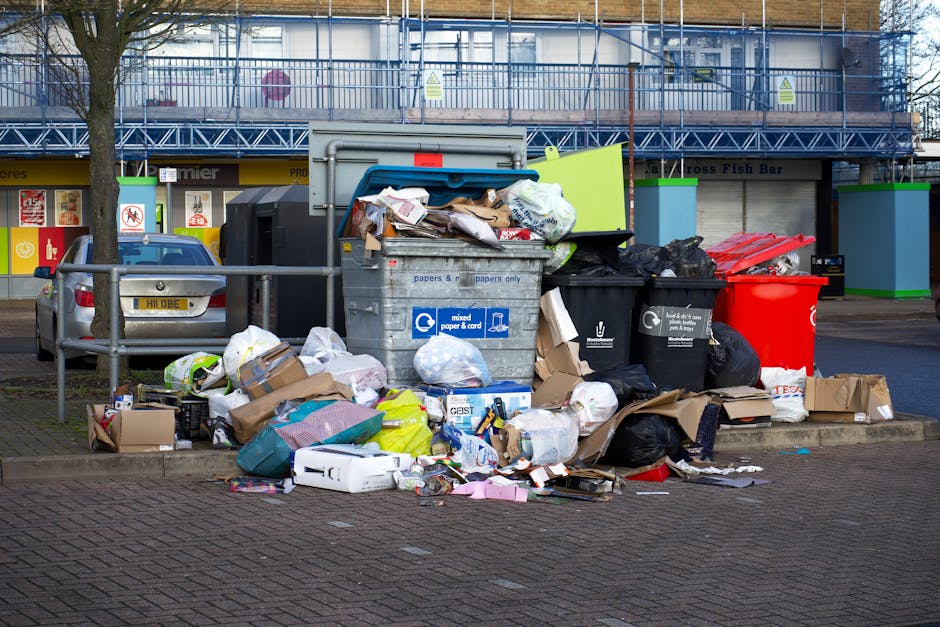
It matters for more than appearances. Shop waste can affect health and safety, access routes, pest control, customer experience, and staff morale. If you've ever tried to manoeuvre through a stockroom full of flattened cardboard, broken shelving, and old packaging, you'll know the feeling. Slightly chaotic. Slightly annoying. And very fixable.
There is also a practical business angle. When waste is cleared properly, staff spend less time stepping around it, stock replenishment becomes easier, and the shop can reset quickly after deliveries, seasonal changeovers, or refurbishments. For businesses that also manage premises in the wider borough, it can be useful to understand the broader rubbish collection options in Haringey so the right service can be matched to the right type of waste.
Expert summary: Good retail waste removal is not just about "getting rid of stuff". It helps you protect presentation, free up storage, reduce trip hazards, and keep the shop ready for customers and deliveries without last-minute stress.
How Wood Green shop rubbish collection Haringey N22 Works
In most cases, shop rubbish collection is straightforward. A team arrives, assesses the load, removes the agreed waste, and clears it away for sorting and disposal. What changes from job to job is the type of waste, the access, and how neatly everything has been prepared beforehand.
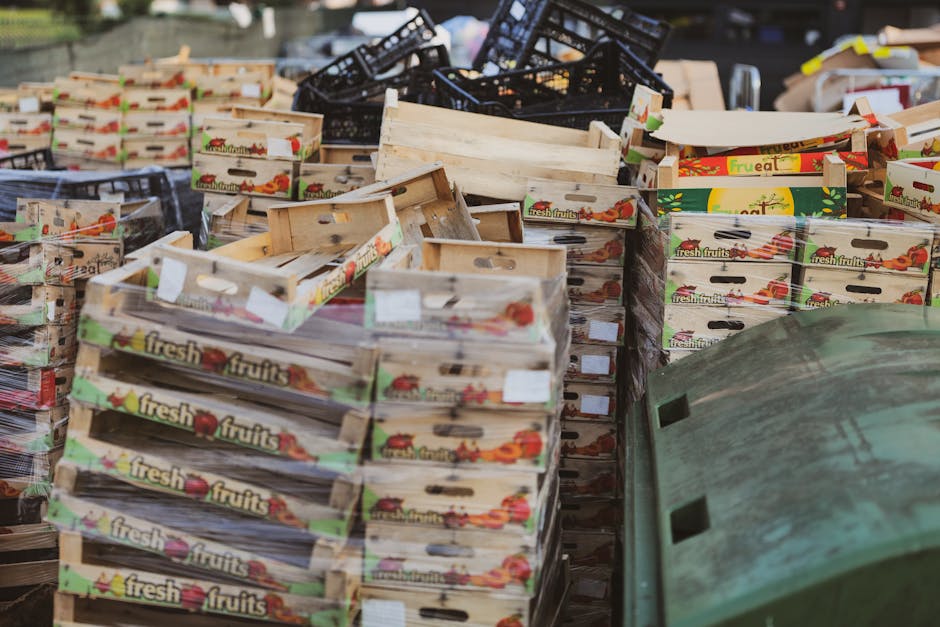
Typical retail collections may include mixed commercial rubbish, cardboard, packaging, broken fixtures, unwanted shelving, damaged stock displays, old office furniture from the back office, or items left over after a refit. Some jobs are tiny, almost blink-and-you-miss-it. Others are more involved, especially if a shop has been open for years and the stockroom has become a sort of unofficial archive.
A good service should do more than lift and load. It should separate reusable and recyclable materials where possible, handle bulky items with care, and work in a way that causes minimal disruption to trading. If you're comparing options, it can help to look at the wider services overview as well as specific pages like rubbish clearance in Haringey and waste removal in Haringey to see how the service fits different business needs.
For shops with a larger amount of packaging, broken fittings, or clearance after a fit-out, a more specialised route may be needed. In those cases, builders waste clearance in Haringey can be relevant, especially if trades, stripping-out, or refurbishment debris are involved.
Key Benefits and Practical Advantages
The advantages of regular shop rubbish collection are very tangible. You notice them in the first week, not after months of business-speak and nice promises.
- More usable space: Clear stockrooms, back corridors, and storage corners make day-to-day work easier.
- Cleaner customer impression: Even if rubbish is out of view, the overall feel of the shop improves when the operation is tidy.
- Better safety: Fewer obstructions mean fewer trips, bumps, and blocked exits.
- Faster stock handling: Deliveries, replenishment, and rotation become less awkward.
- Reduced stress: Staff can focus on customers instead of shifting junk from one corner to another.
- Better waste sorting: Recyclable material can be separated more easily when it's not buried under everything else.
There's also a reputational upside. Retailers in places like Wood Green rely on consistency. If customers see a shop that looks organised, the business feels reliable too. That sounds simple, because it is simple. But simple things matter.
For business owners who care about sustainability, using a service that supports recycling can also make the process feel more responsible. If that side matters to you, the recycling and sustainability approach is worth reviewing before you book.
Who This Is For and When It Makes Sense
This type of clearance is useful for a wide range of retail and customer-facing businesses. The obvious example is a shop owner with too much back-room waste, but the reality is broader than that.
You may need shop rubbish collection if you run:
- a convenience store or corner shop
- a clothing or footwear retailer
- a beauty salon with retail storage
- a takeaway or small hospitality unit with packaging waste
- a phone, tech, or repair shop with old stock and packaging
- a charity shop, vintage store, or resale unit
- a business preparing for a refit, closure, or change of use
It also makes sense during seasonal changeovers. Christmas stock comes out. Spring stock goes in. The old display material somehow stays behind. That's the pattern, more or less. If you've ever found three years' worth of cardboard behind a shelving unit, you'll know exactly what I mean.
For shop owners who also manage offices, shared workrooms, or storage upstairs, related services like office clearance in Haringey and garage clearance in Haringey may be useful too, especially when the waste is spread across different parts of the premises.
Step-by-Step Guidance
If you want the process to go smoothly, it helps to treat it like a small project rather than an emergency tidy-up. Here's a sensible way to approach it.
- Sort the waste by type. Separate cardboard, broken furniture, mixed rubbish, electrical items, and anything potentially hazardous.
- Check access routes. Make sure the path from the stockroom or shop floor to the exit is clear enough for safe removal.
- Identify items that must stay. Sometimes there's confusion between old stock, returned goods, and actual waste. Label things clearly.
- Estimate volume honestly. A "small pile" can become a van-load once it's pulled apart. Happens all the time.
- Ask about timing. If your shop is busy in the morning, an off-peak collection may save disruption.
- Confirm what the service will take. Not every provider handles every waste type, so it's better to be specific from the start.
- Prepare payment and paperwork. For business clients, clear terms and a proper invoice trail matter.
A useful habit is to take quick photos before the collection. Not for drama, just for clarity. If someone is arranging waste on behalf of a landlord, manager, or head office, the photos help avoid awkward "was that included?" conversations later on.
If you need a quote, start with the local pricing and quotes page, then use the contact page to share a few straightforward details. Size of load, waste type, and access conditions are usually the big three.
Expert Tips for Better Results
Small decisions make a big difference with retail waste. Here are a few practical tips that tend to save time and money.
- Don't mix everything together if you can avoid it. Cardboard, shop fittings, and general rubbish are easier to manage when separated.
- Book before a refit or delivery wave. Clearing space before the busy period begins is much easier than trying to do it during peak footfall.
- Be honest about bulky items. A single old counter, heavy cabinet, or display unit can change the job quite a bit.
- Ask how recyclables are handled. It's a fair question, and a good company should be clear about it.
- Keep a waste corner. One designated holding area prevents rubbish spreading across the shop.
- Plan for staff flow. If the team can keep moving around the space while the collection happens, the whole process feels less intrusive.
A slightly odd but true thing: many retail waste problems get worse because nobody wants to be the person to say, "We need to deal with this." Once you say it, though, it usually becomes obvious what to do next. Shop spaces breathe better when the clutter goes. Simple as that.
For large item removal, especially broken shelving, counters, or old stockroom furniture, it may be worth pairing waste collection with furniture disposal in Haringey so heavy pieces are dealt with properly.
Common Mistakes to Avoid
Retail waste clearances are usually straightforward, but a few avoidable mistakes can make them more expensive or more stressful than they need to be.
- Leaving waste until the last minute. This often leads to rushed sorting and poor access.
- Underestimating the load. Flat-pack boxes and broken units take up more room than expected.
- Not separating hazardous items. Some items need special handling, so don't assume everything can be thrown together.
- Blocking exits or fire routes. Even temporarily, that can create unnecessary risk.
- Assuming every provider takes the same waste. They don't. It's worth checking.
- Skipping the compliance basics. Business waste should be handled with proper records and responsible disposal.
Another common issue is trying to "just keep it in the back" for one more week. That one more week can become a month. Then suddenly the whole stockroom smells faintly of dust, tape, and old cardboard. Not ideal.
Tools, Resources and Recommendations
You do not need specialist equipment for a small shop clearance, but a few basic tools can make preparation easier and safer.
- strong-duty bin bags
- marker pens and labels
- gloves with a decent grip
- tape for bundling cardboard
- trolley or sack truck for heavy items
- storage boxes for separating reusable stock from actual waste
For businesses that want a broader overview of service types, the junk removal in Haringey page can be useful when the waste is a mix of usable and unusable items rather than a single category. If the shop is being refurbished, the builders waste clearance page is the more relevant fit.
And if your business has a sustainability policy or simply wants to be more careful with materials, a provider that can explain sorting and recycling clearly is worth its weight. No fancy language needed. Just plain English and a clear process.
Law, Compliance, Standards, or Best Practice
For commercial premises, waste handling is not just a housekeeping task. It should be approached as part of responsible business practice. That means using a service that can explain how waste is collected, moved, and disposed of, and making sure the process fits normal UK expectations for commercial waste management.
In plain terms, shop owners should be able to show that their waste is handled responsibly, especially if they generate regular commercial rubbish. The exact paperwork and obligations can vary depending on the type of business and waste involved, so if you're unsure, keep it simple: ask what is collected, where it goes, and what records are provided.
Safety matters too. A good provider should work with care around customers, staff, and shared access areas. That is especially important in narrow shopfronts, basements, upstairs storage areas, or premises with tight entry times. The page on insurance and safety is a useful point of reference if you want reassurance about how that side is handled.
Best practice is usually common sense done properly: clear access, safe lifting, correct segregation, and no guessing. If a provider sounds vague about what happens to the waste, that is usually your cue to slow down and ask more questions.
For business owners who care about ethical standards in their supply chain, the site's modern slavery statement and terms and conditions can also help set expectations about responsible operations and service boundaries.
Options, Methods, or Comparison Table
Different shops need different approaches. A small high-street unit does not always need the same solution as a larger retail premises or a shop undergoing a refit. Here's a simple comparison to help you choose.
| Option | Best for | Pros | Things to watch |
|---|---|---|---|
| Ad hoc shop rubbish collection | Small to medium one-off clearances | Flexible, quick, minimal disruption | Can be less efficient if waste keeps building up |
| Regular commercial waste collection | Shops producing steady amounts of rubbish | Predictable, easier to manage long term | May be unnecessary if waste volumes are low |
| Bulk rubbish clearance | Seasonal clear-outs, stockroom resets, closures | Good for larger mixed loads | Requires better sorting and access planning |
| Skip hire | Longer jobs, refurbishment work, steady on-site filling | Useful if the team is generating waste over time | Needs space, permits may be relevant, and loading can be slower |
If you're still weighing up whether a skip or a collection makes more sense, the skip hire in Haringey page is a helpful comparison point. In a busy retail setting, though, direct collection often feels more practical because it removes the mess in one go rather than letting it sit outside.
Case Study or Real-World Example
Imagine a small independent clothing shop in Wood Green preparing for a window refresh and a seasonal stock change. The owner has old mannequins, damaged hangers, empty boxes, broken shelving brackets, and a few tired bits of display furniture in the back. Nothing dramatic. But together, it's enough to make the stockroom awkward to use.
Instead of handling it in fragments over several weeks, the owner groups the waste into categories: cardboard, mixed rubbish, and bulky items. The collection is booked for a quieter part of the day, just after opening when footfall is lighter. The team clears access first, then the rubbish is removed in one visit. The stockroom breathes again. Staff can move properly. New stock goes in without a shuffle, a squeeze, and a muttered complaint.
That kind of job sounds modest, but it changes the feel of the place. Customers see a sharper shopfront. Staff feel less boxed in. And the owner gets a cleaner reset without losing half the week to sorting and lifting. That's the real value, honestly.
For shop owners who also manage properties or are considering broader local business premises, there's useful reading on why Haringey works well as a place to live and work, plus related local insight in investing in Haringey properties and how to invest in Haringey real estate wisely.
Practical Checklist
Use this checklist before booking a shop clearance in N22. It keeps things calm and avoids the usual little surprises.
- Confirm what type of waste needs removing
- Separate recyclable material where possible
- Check for anything hazardous or restricted
- Measure or estimate bulky items
- Clear access from the shop floor to the exit
- Pick a time that won't disrupt trading too much
- Ask what paperwork or confirmation is provided
- Review pricing and what affects the final quote
- Make sure staff know what is staying and what is going
- Take a few photos for your own records
Quick takeaway: If the waste can be sorted before the team arrives, the job usually goes faster, feels less stressful, and is easier to quote accurately.
Conclusion
Wood Green shop rubbish collection Haringey N22 is really about keeping your business ready for trade. Not half-ready. Properly ready. That means safe walkways, clear stockrooms, a better customer impression, and fewer unnecessary interruptions when the day is already full enough.
If you handle waste as part of your normal routine rather than as an occasional panic, the shop runs better. The space feels better. Staff feel better. And customers usually notice, even if they never say it out loud. Truth be told, that quiet sense of order is one of the easiest ways to make a busy retail unit feel more professional.
If you're planning a clearance, a refit, or just want to get on top of the clutter once and for all, take the next step with clear information and a straightforward quote. It's often easier than people expect.
Get a free quote today and see how much you can save.


 Tipper Van - Rubbish Removal and Garage Clearance Prices in Haringey, N4
 Luton Van - Rubbish Removal and Garage Clearance Prices in Haringey, N4